Basements flood quietly Bloque Restoration Mesa AZ water services and suddenly. A slow leak from a failing sump pump, a storm that pushes groundwater up through the slab, or a washing machine hose that gives way at 2 a.m. Each event leaves the same aftermath: ruined belongings, mold growth, disrupted schedules, and a bill that climbs faster than most homeowners expect. For anyone in Mesa, Arizona, where seasonal monsoon rains and older plumbing converge, a practical plan backed by reputable water damage restoration knowledge is the difference between a small repair and a changing-of-lifestyles event.
What follows is a blend of field-honed advice, clear trade-offs, and concrete steps you can take now to reduce the odds of basement flooding and to limit damage if water does arrive. You will find Water Damage Restoration Mesa AZ Bloque Restoration checks you can do yourself, when to call a pro like those at Water Damage Restoration Mesa AZ teams, and why investing in certain fixes pays off over time. The company name Bloque Restoration will come up because they represent the skilled, local approach many homeowners should insist on.
Why this matters A flooded basement is not only about water on the floor. Even three inches of standing water can damage drywall, electrical systems, and wooden structures. Mold surfaces in 24 to 48 hours under humid conditions, and remediation costs rise exponentially with time. Preventing a flood preserves the use of your space, protects health, and keeps insurance claims from becoming the norm.
Start with a reconnaissance of risk Walk your property as if you were a first responder looking for weak points. Notice the slope of the yard relative to the foundation, the condition of downspouts and gutters, where irrigation sprays toward the house, and whether basement windows or window wells are intact and draining. Inside, check the age and condition of your sump pump, look for hairline cracks in the foundation, and evaluate stored items: cardboard boxes on the floor are low-cost casualties waiting to happen.
A brief story to set the tone: I worked with a homeowner whose basement flooded twice in five years. The first time their warranty paid some of the damage, and they treated the cleanup as a one-off. The second time, after mold appeared in the ceiling below the basement, replacement of a furnace became necessary. Their savings for the furnace evaporated faster than they expected. The common thread was neglecting a small external slope correction and not replacing a 15-year-old sump pump. Small, inexpensive interventions would have avoided a major expense.
Immediate actions when water is present If water reaches your basement, the first four hours determine the scale of the recovery. Below is a compact checklist for immediate action that prioritizes safety and containment.
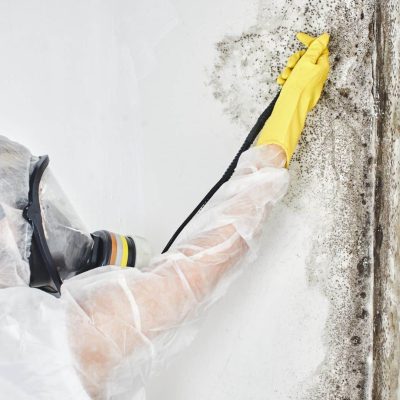
1) Shut off electricity to the affected area at the main panel if you can do so safely, because water and live electrical circuits are lethal. 2) Stop the source if possible: close an indoor valve, redirect irrigation, or lift a washing machine hose off its hook. 3) Remove valuables and electronics to an upper floor and document damage with photos for insurance, photographing water lines on walls and soaked possessions. 4) Call a professional water damage restoration service experienced in Mesa conditions; they can begin extraction and drying that limits mold and structural damage. 5) If you have to stay in the home, ventilate with fans and dehumidifiers only after electricity has been confirmed safe.
Those actions sound straightforward, but homeowners often forget documentation or make the error of running household fans aimed by sight rather than after de-energizing the area. Professionals from firms labeled Water Damage Restoration Mesa AZ, including local trusted outfits like Bloque Restoration, bring industrial-grade extraction and drying equipment calibrated for different materials. That matters because drywall and carpeting dry at different rates, and improper drying invites mold that will require separate remediation.
Preventive upgrades that cut risk Several upgrades reduce flood risk in both rainy months and when everyday plumbing fails. Each has a cost-benefit profile; I’ll describe practical advantages and when they are worth the investment.
Slope and grading: Ensure soil around the foundation slopes away at least 2 inches over the first 6 feet. This is a low-cost fix in many yards and prevents surface water pooling near walls. In tight urban lots, a combination of grading and a perimeter drain may be necessary.
Gutters and downspouts: Clean them at least twice a year. Extend downspouts to discharge water at least 3 to 4 feet from the foundation to avoid saturation. A clogged gutter redirects roof runoff to the foundation, which is easy to prevent with periodic maintenance.
Sump pump selection and maintenance: Choose a pump with a battery backup and test it monthly. Sump pumps can fail during storms due to power loss, and a battery-backed system provides redundancy. Replace pumps older than 7 to 10 years; many fail abruptly.
Perimeter drain (French drain) system: For homes with persistent groundwater or history of seepage, installing a perimeter drain under the footing or around the slab may be the most effective long-term solution. The cost is higher, but so is its reliability for chronic issues.
Sealant and crack repair: Small cracks should be sealed with hydraulic cement or epoxy. This is a short-term stopgap for hairline foundation cracks but can prevent many minor leaks from becoming major intrusions.
Sump pits, backflow valves, and finished basements A finished basement complicates decisions. Carpets, built-in cabinets, and electrical outlets lower the tolerable threshold of water. For finished spaces, consider installing a backflow valve on sewer lines to prevent sewage from entering during heavy municipal backups. Keep valuables off the floor and avoid placing mechanical systems like furnaces directly on the slab where they can be submerged.
A common trade-off homeowners face is between DIY fixes and professional installation. A DIY perimeter drain or sump pump can save money up front, but improper slope, wrong pump sizing, or inadequate discharge routing can produce false security. For basements with finished living space or valuable items, professional installation by a Water Damage Restoration Mesa AZ contractor or a basement waterproofing specialist tends to be the better long-term investment.
Moisture control and long-term drying strategy Basements in Mesa can feel dry because the climate is arid overall, but micro-environments inside a basement can trap humidity from groundwater intrusion and household activities. A single water event raises relative humidity dramatically. Keep baseline humidity below 60 percent; 40 to 50 percent is ideal to deter mold.
Dehumidifiers are effective, but beware of undersized units. A small portable unit will struggle to bring down humidity after a flood. For post-event drying, professionals use desiccant or refrigeration dehumidifiers matched to the room volume and moisture load. If you are buying equipment for preventive use, choose units rated for larger spaces than you think you need.
Testing and monitoring pay off over time. Install a humidity monitor and check it monthly. For high-risk basements, a smart sensor that alerts your phone when water is detected near a sump pit or water heater can cut the time water sits before action begins. These devices are inexpensive compared with the cost of remediating mold or replacing drywall.
Insurance and realistic expectations Homeowner policies vary. Many cover sudden and accidental water damage such as a burst pipe but exclude gradual issues or groundwater seepage. A flood policy from the National Flood Insurance Program covers external flooding due to rising waters, but not every policy is equal. Read the fine print, note deductibles for water claims, and ask your agent how historic claims affect your premiums.
Document maintenance to strengthen claims. Photographs of a recently serviced sump pump, receipts for gutter work, and records from Bloque Restoration or similar services can show you took reasonable steps to mitigate risk. This documentation will not guarantee coverage, but it improves the claims process and avoids allegations of negligence.
When to call specialists in Mesa Call a professional when water covers more than a few square feet, when standing water is more than a couple of inches deep, when the water is contaminated (gray or black water), or when mold has a foothold. Trained teams have moisture meters, hygrometers, and thermal imaging to find pockets of hidden moisture in framing and subfloors. They also carry industrial dehumidifiers and HEPA air scrubbers to prevent mold spores from settling.
Bloque Restoration and similar local firms know Mesa’s soil types and seasonal patterns. They will look for signs you might miss: capillary action through concrete, efflorescence on walls indicating long-term moisture, or improperly sloped patios that send water toward the house. Their work is not only extraction and drying, but also advising on prevention to reduce future calls.
Cost perspective and budgeting Expect simple remediation like carpet drying and dehumidification to range in the lower hundreds to a few thousand dollars. When mold remediation, structural repair, or sewage cleanup is involved, costs climb into the multiple thousands. Installing a good sump pump with backup, regrading around the foundation, or fitting a perimeter drain can range from a few hundred to several thousand dollars depending on complexity.
Think of prevention as buying insurance against an uncertain and potentially large expense. For example, a $1,200 sump pump with battery backup and professional installation can prevent a single event that would otherwise cost $8,000 to repair. The precise numbers vary, but that order-of-magnitude comparison often persuades homeowners to invest in redundancy.
Edge cases and hard choices Historic or crawlspace foundations present different problems than modern poured concrete. Older homes might have stone foundations or no sump pit at all. In those cases, remediation is often invasive and expensive. Some homeowners choose to live with the minor risk and insulate valuables; others opt for full-scale renovation. There is no universal right answer. Evaluate the frequency of water events, the value of the basement space, and your tolerance for disruption.
Another decision point is finishing a basement at all. An unfinished basement is easier and cheaper to dry, and storing valuables off-site or on shelving above anticipated flood lines can be a rational choice for some families. If you plan to finish a basement, build to withstand occasional moisture: use closed-cell insulation, tile or sealed concrete floors, and electrical fixtures mounted higher on the wall.
Final practical checklist for prevention 1) Inspect slope and downspouts annually, correct as needed to keep water moving away from foundation. 2) Maintain and test your sump pump monthly, and install a battery backup. 3) Keep humidity below 50 percent with a properly sized dehumidifier and monitor with a hygrometer. 4) Seal visible foundation cracks and consider a perimeter drain if you have chronic seepage. 5) Document maintenance and repairs for insurance, and establish a relationship with a reputable local restoration company like Bloque Restoration for faster response.
Choosing a partner Not all restoration companies are equal. Look for a firm with local references, clear licensing, and transparent pricing. Ask about response time, equipment used, drying plan specifics, and whether they work directly with insurance. A credible Water Damage Restoration Mesa AZ provider will explain why they use certain dehumidifier capacities, how long drying typically takes for your home, and what follow-up checks they perform.
Floods are unpleasant, but they are manageable with attention, modest investment, and timely action. Preventive measures lower risk, but what matters most is rapid, informed response when water arrives. That response starts with safety, then documentation, then professional drying and repair when necessary. For Mesa homeowners, a practical plan, a maintained sump pump, and a vetted partner like Bloque Restoration make the difference between an inconvenient cleanup and a catastrophic disruption.
Bloque Restoration
1455 E University Dr, Mesa, AZ 85203, United States
+1 480-242-8084
[email protected]
Website: https://bloquerestoration.com